Bird-Friendly Glass Façades – How Fenestration Providers Add Value During Design
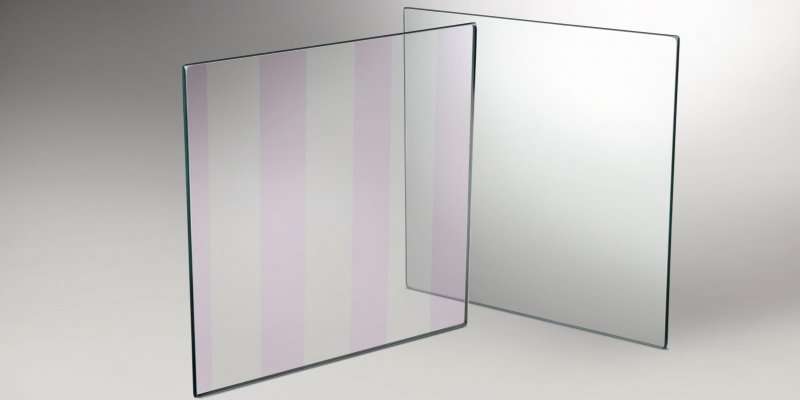
By Steve Chen, President, Crystal Window & Door Systems, New York By now, architects, building owners, and contractors are well aware that municipalities around the nation are implementing “bird-friendly” glass requirements for new and renovated buildings. For example, to reduce bird collisions with building façades, New York City enacted Local Law 15 (LL15) of 2020, effective January 10, 2021, requiring all newly constructed buildings and renovations of existing buildings involving replacement of windows and glass features to assess and utilize if required bird-friendly glass and other materials for the façade. Last November, the NYC Department of Buildings issued its guidance document for where on buildings bird-friendly glass is required and what documentation must be provided to demonstrate compliance with LL15. For new construction, exterior wall envelope and fly-through conditions up to 75 feet above grade must be 90% bird-friendly materials, and all other features such as vertical façades at any height adjacent to green roofs, glass railing systems, glass canopies, and other bird-strike hazards must be of bird-friendly materials. For existing buildings, alterations that include replacement of all exterior glazing must also comply with LL15. Architects and other design professionals must balance aesthetics, durability, and cost of glass options to arrive at the optimal solution for any project. With so many factors to weigh, architects, building owners, and developers would be well-served by engaging a fenestration manufacturer experienced in a wide range of glass options, including bird-friendly ones, during the design phase of a new project or planning replacement of existing fenestration. Design Considerations Foremost, architects evaluate the aesthetics and functionality of façade materials including glass windows, doors, storefront, and curtain wall on the overall design of a building. How much glass best suits the indoor environment and the occupants? How well will the glass complement other façade materials such as masonry and metal panels? Should tinted, reflective, or patterned glass be used? The façade appearance and outlook view must be considered from both the exterior and interior vantage points. Energy efficiency is another critical factor in selecting window and door systems. Myriad choices exist for dual- and triple-pane insulated glass units, surface coatings to improve U-values and to reduce solar heat transmission, and window frame construction and insulation to provide greater energy efficiency. Cost is of course a major factor in the design of any new construction or renovation project. Architects must work closely with building owners and developers to select fenestration and other glass design elements that fit the budget for the project while meeting the design vision and applicable building and energy code requirements. Now that bird-friendly glass is required on many projects in New York City (and in many other major cities in the country), there are additional factors that will greatly impact aesthetics, energy efficiency, and cost of every project. This is where an experienced fenestration manufacturer can add tremendous value, saving time and expense, and presenting many available options. Bird-friendly glass comes with various patterns that help deter bid collisions with glass facades. Fenestration manufacturers can advise architects and property owners on optimum choices during design phases of construction and renovation. Left: Guardian Glass bird 1st glass panes shown are coated with ultra-violet patterns which are visible to birds but nearly invisible to humans. Right: Typical bird-friendly glass patterns. Shading and contrast enhanced above to show patterns PHOTO COURTESY OF GUARDIAN GLASS, a national lass supplier to Crystal Window & Door Systems. Bird-Friendly Glass Impact on Design Bird-friendly glass is achieved in various ways. The most common options are ceramic or silicone frits, UV patterns, and acid-etched patterns, all applied to the surface of the glass. Each have advantages and tradeoffs for effectiveness and aesthetics, but there are other considerations, such as how the application works with other glass coatings, lamination, tempering, and long-term durability. Frits reduce visible light transmission (VLT) to the inside and are highly visible to humans as well as birds. UV patterns are less obtrusive to the view than frits but slightly less effective at deterring bird-glass collisions. Acid-etching is most durable and may be combined with the low-E coatings on the same surface. All these options affect the appearance of the building from the outside and the view from the inside, have different price points, impact energy efficiency coatings, and may affect glass warranties from the glass manufacturer. A knowledgeable fenestration manufacturer can review all these options with the building design team to select the best choice for the project. Glass units incorporated in window and door frames are fabricated from large sheets of glass. The fabrication process starts with cutting the glass sheets and is automated to minimize unusable portions of glass. As bird-friendly glass is only called for in specific instances, large window openings requiring bird-friendly glass can potentially generate a lot of waste of this specialized glass per sheet, if the maximum glass sheet size and cutting optimization are not considered in the project design and production planning process. This can add to the already higher cost of bird-friendly glass and the project’s bottom line. With a few modifications through value engineering, an experienced window manufacturer can advise the design team on the size, configuration, and placement of windows to achieve the project’s desired aesthetic and code compliance while minimizing material cost and waste. Crystal Windows’ automated glass production equipment handles all types of glass, Including bird-friendly glass options, Bring in the Experts Compared with conventional clear or tinted glass used throughout existing buildings in New York and other cities, bird-friendly glass can add appreciably to the cost of fenestration for new or renovated properties. Therefore, it is important early in the design phase for the architectural team to bring in a window manufacturer that is qualified and experienced to assist fenestration choices. A competent fenestration manufacturer should: Have a broad network of glass suppliers capable of providing many bird-friendly glass options to meet budget, energy efficiency, and other project requirements. Crystal has worked with many national glass